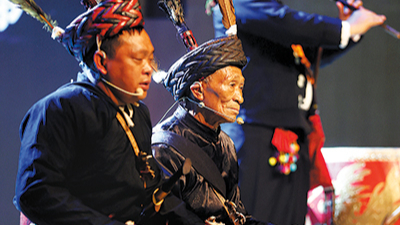
Jingpo Ethnic Group
Introduction
The Jingpo ethnic group is a recognized ethnic group in China, primarily residing in the Dehong Dai and Jingpo autonomous prefecture in Yunnan province. Historically, the Jingpo have been settlers in the mountainous regions of Yunnan, sharing close cultural affinities with other ethnic groups in the area. Their lifestyle and cultural practices reflect a deep connection to their natural surroundings and a commitment to preserving their unique heritage amidst modern developments. Traditional practices, such as community gatherings, music, and dance, play a crucial role in their social life, fostering a sense of unity and cultural continuity within the community.
History
The history of the Jingpo ethnic group is deeply intertwined with the history of Yunnan province and the broader Southeast Asian region. The Jingpo people are believed to have migrated from areas further north and eventually settled in the mountainous regions of Yunnan. Their history is characterized by a series of migrations, adaptations, and interactions with neighboring ethnic groups. Despite the challenges posed by geographic isolation and economic constraints, the Jingpo have maintained a distinct cultural identity.
Culture
The culture of the Jingpo ethnic group is a vibrant tapestry of traditional customs, artistic expressions, and communal values. Their cultural practices are deeply rooted in their connection to nature and the land they inhabit. The Jingpo people are known for their elaborate festivals, musical traditions, and intricate handicrafts, all of which play a significant role in their cultural identity.
Language and Literature
The Jingpo language is vital to the group's cultural identity. It is used in daily communication, storytelling, and cultural rituals. Efforts are ongoing to preserve and promote the Jingpo language, particularly among younger generations, through educational programs and cultural initiatives. Oral traditions, including folk tales and ancestral stories, are key components of Jingpo literature, passed down through generations to maintain their cultural heritage.
Traditional Clothing
Traditional Jingpo clothing is characterized by its bright colors and intricate embroidery. The attire often includes elaborate patterns and designs that hold cultural significance and are used to distinguish different sub-groups within the Jingpo community. Women typically wear colorful skirts and blouses adorned with beads and silver ornaments, while men's clothing is simpler but equally vibrant, often featuring traditional motifs woven into the fabric. Clothing is an essential aspect of Jingpo cultural identity, reflecting their heritage and artistic traditions.
Music and Dance
Music and dance are integral components of Jingpo culture, serving as a means of expression and storytelling. Traditional Jingpo music often involves a variety of instruments, such as the bamboo flute and drums, which accompany dances performed during festivals and community gatherings. The Munao Zhaiwa, a traditional Jingpo epic told through a combination of poetry, singing, and dancing, is one of their most renowned cultural expressions. These performances not only entertain but also preserve the oral history and cultural narratives of the Jingpo people.
Art
Jingpo art is characterized by its intricate designs and traditional motifs, often inspired by nature and historical themes. Art forms such as woodcarving, weaving, and embroidery are highly valued within the community. These artistic expressions are not only aesthetic but also serve as a means of preserving cultural narratives and teaching traditional values. The craftsmanship of Jingpo artists is recognized for its detail and cultural significance, contributing to the cultural richness of the Jingpo people.
Festivals and Celebrations
Festivals are central to Jingpo social life, providing opportunities for communal gatherings and cultural expression. The annual Munao Festival is one of their most significant celebrations, marked by music, dance, and traditional rituals. During this festival, Jingpo people come together to celebrate their cultural heritage and strengthen community bonds. The Green Leaf Banquet is another notable tradition, where food is wrapped in banana leaves and shared among community members, emphasizing themes of hospitality and communal unity.
Religion and Beliefs
The Jingpo ethnic group practices a unique blend of animism and ancestor worship, reflecting their deep connection to the natural world and their cultural heritage. Traditional Jingpo beliefs center on the veneration of natural spirits and ancestors, with rituals and ceremonies conducted to honor these entities and seek their protection. Religious practices are an integral part of Jingpo culture, influencing various aspects of daily life, from agricultural activities to social gatherings. The Munao Festival, for example, is not only a cultural celebration but also a religious event, involving rituals to appease spirits and ensure the community's well-being. Despite the influence of modern religious movements, traditional Jingpo beliefs continue to play a significant role in shaping their worldview and cultural identity.
Preservation and Promotion of Jingpo Culture
Efforts to preserve and promote Jingpo culture are gaining momentum, driven by both community initiatives and broader cultural preservation programs. The recognition of the Jingpo people as one of China's official ethnic groups has facilitated government support for cultural preservation projects. These initiatives aim to document and promote Jingpo traditions, including music, dance, language, and handicrafts, ensuring their continuity for future generations. Community-led initiatives, such as cultural festivals and educational programs, play a crucial role in revitalizing Jingpo cultural practices. These efforts not only preserve Jingpo heritage but also promote cultural diversity and understanding within the broader Chinese society. Collaborations with cultural institutions and academic researchers further support the documentation and dissemination of Jingpo cultural knowledge, contributing to the global recognition of their unique cultural identity.








